





In the rapidly evolving world of digital finance, a subtle but significant shift is underway in Europe. Reports that a group of major European banks are collaborating to counter “digital dollarization” have sparked conversations across the crypto and financial sectors. While headlines may dramatize the situation as an attempt to “save the euro,” the reality is more nuanced—and perhaps even more important.
At its core, this development reflects a growing concern among European institutions: the risk that the U.S. dollar could dominate not just traditional global finance, but the future of digital money as well.
A Strategic Move by European Banks
Roughly a dozen European banks are reportedly working together on initiatives that could include the development of euro-denominated stablecoins or blockchain-based payment systems. The aim is simple: ensure that the euro remains competitive in an increasingly digital financial ecosystem.
This collaboration is not happening in isolation. It aligns with broader efforts across Europe to modernize financial infrastructure and reduce reliance on external systems. From private banking initiatives to regulatory frameworks like MiCA (Markets in Crypto-Assets), the region is laying the groundwork for a more self-sufficient digital economy.
Rather than reacting to an immediate crisis, these banks are taking a proactive stance—building tools that could shape how money moves in the years ahead.
Understanding “Digital Dollarization”
To fully grasp the urgency behind these efforts, it’s important to understand what “digital dollarization” means.
In the crypto ecosystem today, the vast majority of stablecoins are pegged to the U.S. dollar. Assets like USDT and USDC dominate trading pairs, decentralized finance (DeFi), and cross-border payments. This means that even outside the United States, a significant portion of digital transactions is effectively conducted in dollars.
If this trend continues unchecked, it could lead to a scenario where:
- The euro plays a diminished role in digital markets
- European businesses and consumers rely heavily on dollar-based systems
- Monetary influence gradually shifts away from Europe
- This is not just a technical issue—it’s a matter of economic sovereignty.
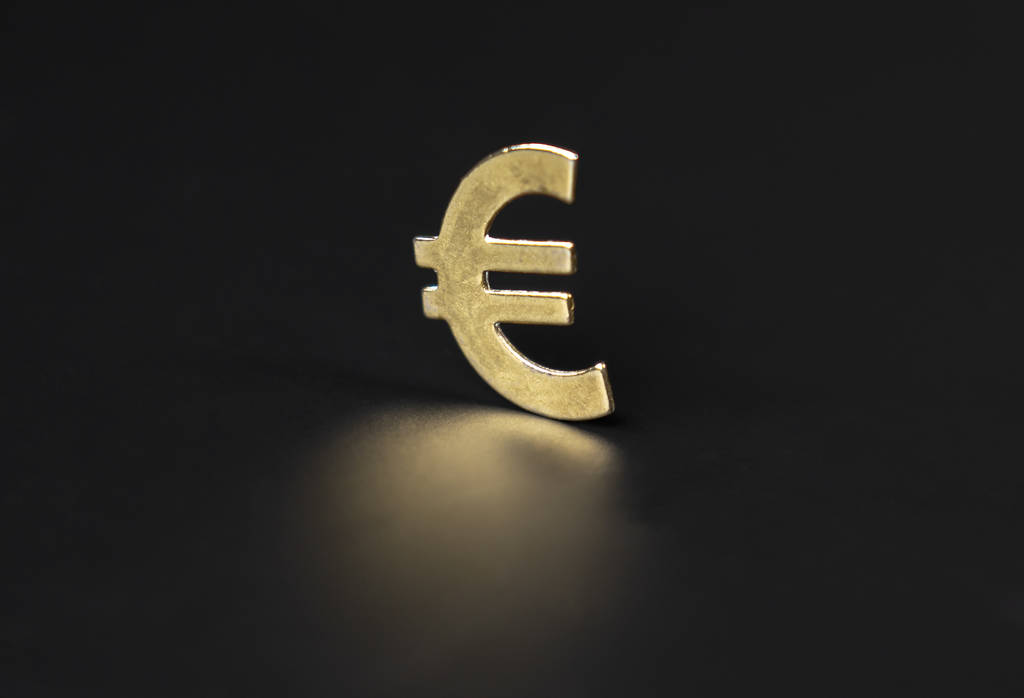
Source: create.vista.com
Why Europe Is Paying Attention
European policymakers and financial leaders are increasingly aware of the implications. The concern isn’t that the euro is in immediate danger, but that it could lose relevance in the next phase of financial innovation.
Consider this: if digital payments, tokenized assets, and blockchain-based finance become mainstream, the currencies embedded in those systems will gain outsized influence. Currently, that advantage belongs overwhelmingly to the dollar.
By developing euro-based alternatives, European banks aim to:
- Strengthen the euro’s presence in digital transactions
- Reduce dependence on foreign-issued stablecoins
- Maintain control over monetary policy in a digital-first world
- This effort also complements the European Central Bank’s exploration of a digital euro—a central bank digital currency (CBDC) designed to serve as a public alternative to private stablecoins.
Not a Rescue Mission, But a Future Strategy
Despite the dramatic tone of some headlines, this initiative is not about rescuing a failing currency. The euro remains one of the world’s most stable and widely used currencies. Instead, the focus is on ensuring that it remains relevant as financial systems evolve.
In many ways, this is a defensive strategy—but also an opportunity. By investing early in digital infrastructure, Europe could position itself as a leader in regulated, transparent, and efficient financial systems.
The challenge, however, lies in execution. Building a successful euro-based stablecoin ecosystem requires:
- Strong collaboration between banks, regulators, and technology providers
- Clear regulatory guidance that encourages innovation without compromising stability
- Widespread adoption among users, businesses, and developers
- Without these elements, even the best intentions may struggle to gain traction.
The Bigger Picture: A Battle for Financial Influence
What’s happening in Europe is part of a larger global trend. As digital assets reshape the financial landscape, countries and regions are beginning to recognize that control over digital currencies could translate into broader economic influence.
The United States currently holds a significant advantage, thanks to the dominance of dollar-backed stablecoins and its deep, liquid financial markets. But Europe is not standing still.
By fostering collaboration among banks and exploring both private and public digital currency solutions, it is taking steps to ensure that it remains a key player in the next generation of finance.
Final Thoughts
The narrative that European banks are “teaming up to save the euro” may grab attention, but it misses the bigger picture. This is not about crisis management—it’s about strategic positioning.
Europe is not trying to rescue its currency from collapse. It is trying to prevent a future where the dollar becomes the default currency of the digital world.
And in a financial system increasingly defined by code, networks, and global accessibility, that distinction could make all the difference.
Get access to a lifetime VIP membership. Join us here







Leave a Reply