





In trading discussions, the idea of a “mental edge” is often reduced to buzzwords like discipline, confidence, or emotional control. While these sound impressive, they don’t fully explain why some traders remain consistent when markets become chaotic—and others fall apart.
Among experienced professionals, the mental edge has a far more practical meaning. It is the ability to carry out a well-defined trading plan repeatedly, even when emotions are active, results are uncertain, and recent trades haven’t gone as expected.
Most traders don’t struggle because they lack intelligence or technical skill. They struggle because pressure changes how they act. This piece breaks down what the mental edge actually looks like in practice, why it erodes for many traders, and how professionals protect their performance through structure rather than motivation.
Trading Is Built to Expose Human Weaknesses
Few environments test decision-making the way trading does. Every session combines multiple stress-inducing factors:
-
Outcomes are never guaranteed
-
Money is at risk immediately
-
Feedback comes fast and often without clarity
-
Opportunities to act are constant
Unlike most careers, trading doesn’t clearly reward good behavior or punish bad behavior in the short term. A poor decision can work out, while a well-executed trade can fail. Over time, this confuses learning and reinforces bad habits.
Pressure is not a temporary phase in trading—it is the normal operating condition.
The real challenge, then, is not eliminating stress but performing correctly while it exists.
Emotion Isn’t the Villain—Lack of Structure Is
Many traders believe emotions are the enemy. Fear, frustration, excitement, and doubt are seen as problems to be eliminated. As a result, traders try to suppress how they feel during live markets.
This approach misses the point.
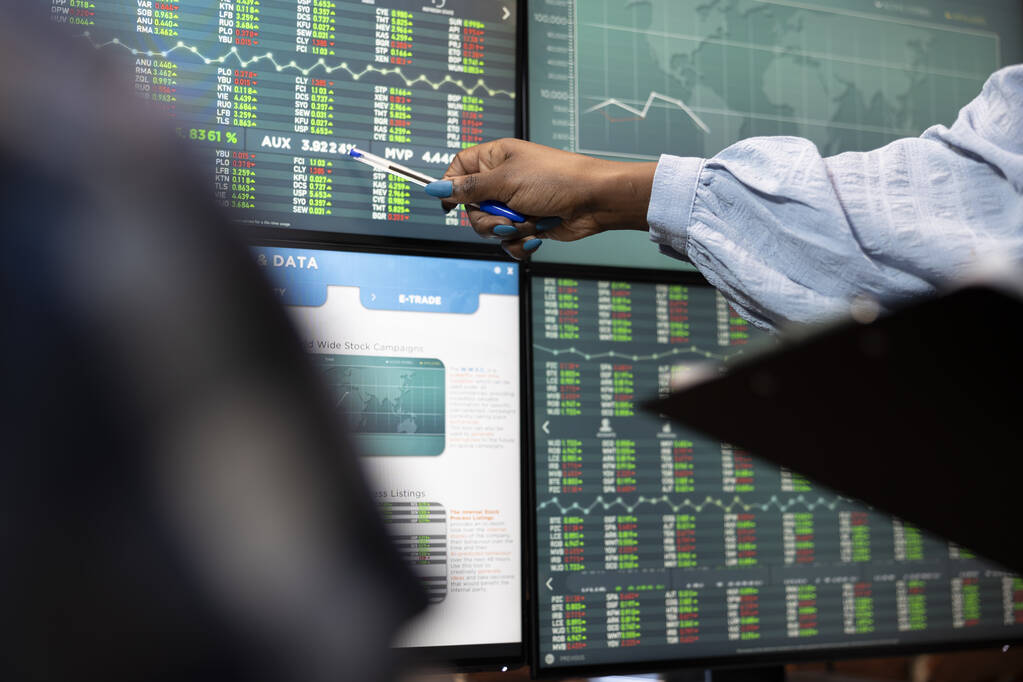
Professional traders experience emotion just like everyone else. What separates them is that their decisions are not dictated by those emotions.
When rules are unclear or flexible, feelings take over. When rules are precise and enforced, emotions lose their influence. The issue isn’t emotion itself—it’s the absence of safeguards that prevent emotion from shaping execution.
Structure is what closes that gap.
When Results Start Controlling Behavior
One of the most damaging psychological traps in trading is tying confidence to recent outcomes.
Traders caught in this pattern often:
-
Trade aggressively after wins
-
Become hesitant after losses
-
Increase risk when emotionally charged
-
Pull back when uncertainty rises
The result is inconsistency. Performance swings not because the strategy changes, but because behavior does.
Experienced traders detach self-belief from short-term results. A trade that loses money but follows the plan is acceptable. A profitable trade that breaks rules is not.
This shift—valuing execution over outcome—is a cornerstone of professional trading psychology.
Why Process Protects the Mind
A solid trading process acts as a buffer between the trader and emotional volatility.
A well-built framework clearly answers:
-
When trades are allowed
-
What conditions invalidate a setup
-
How much risk is permitted
-
When trading must stop
By making these decisions in advance, traders reduce the number of choices required in real time. Fewer choices mean less emotional interference.
Those who rely on instinct in the heat of the moment eventually burn out. Those who rely on predefined rules stay consistent.
The Real Test Happens During Drawdowns
Professional traders don’t judge a strategy by how it performs in ideal conditions. They evaluate whether it holds up when things go wrong.
Important questions include:
-
Can the plan still be followed after several losses?
-
Does it prevent impulsive reactions during volatility?
-
Are risk limits enforced automatically, or can they be overridden?
If discipline depends on willpower alone, it won’t last.
True psychological strength becomes visible during losing streaks, not winning ones.
Review Is About Behavior, Not Just Numbers
Post-trade analysis is often misunderstood. It’s not only about refining entries or exits—it’s about identifying behavioral patterns.
Effective review focuses on:
-
Whether rules were followed
-
Where emotions interfered
-
How decisions were made under stress
-
What habits emerge during losses
Professionals track execution errors separately from strategy performance. This prevents emotional bias from clouding judgment and speeds up improvement.
Without review, the same mistakes quietly repeat.
Building the Mental Edge in Practice
Strengthening trading psychology starts with structural changes, not motivational ones:
-
Minimize discretionary decisions during live trading
-
Set non-negotiable risk limits
-
Separate analysis time from execution time
-
Define clear daily or session stop points
-
Review behavior as closely as results
As structure improves, psychological stability follows. The reverse is rarely true.
Common Myths That Hold Traders Back
Several beliefs continue to mislead traders:
-
“Good traders don’t feel fear”
-
“Confidence comes from winning”
-
“Discipline is a personality trait”
In reality, professionals feel emotion, experience self-doubt during drawdowns, and rely on systems rather than traits.
The mental edge is developed intentionally. It is not something you’re born with.
Closing Perspective
The mental edge in trading has little to do with suppressing emotion or staying motivated. It is about executing correctly when uncertainty is high and clarity is low.
At its core, consistent trading performance is not a test of character—it is a test of structure.
Get access to a lifetime VIP membership. Join us here







Leave a Reply